Concrete Fencing vs Traditional Fence Materials
People seeking concrete fencing often want durable, low-maintenance boundaries, and local contractors can help compare options and install the best solution for their needs.
Property owners exploring fencing options often find themselves weighing concrete fencing against traditional materials like wood or vinyl. This decision can impact the overall security, durability, and appearance of a property, making it an important consideration for those seeking long-lasting solutions. Whether aiming to enhance privacy, reduce maintenance, or improve curb appeal, understanding the practical differences between these materials can help in making an informed choice. Local contractors specializing in concrete fencing can provide valuable insights and quality installation services to help property owners achieve their fencing goals.
For those in the area considering concrete fencing versus traditional fence materials, it’s helpful to evaluate factors such as strength, longevity, and resistance to weather and pests. Concrete fencing offers a sturdy, low-maintenance alternative that can stand up to the elements over time, making it a popular choice for many property owners. Local service providers experienced in concrete fencing can assist in assessing specific needs, ensuring the chosen fencing option aligns with the property’s security and aesthetic preferences. Keep reading to learn more about how concrete fencing compares to traditional options and how local experts can support your project.
- Concrete fencing services are ideal for property owners seeking durable, long-lasting boundaries that require minimal maintenance, with local contractors specializing in custom designs and installation. Traditional fence materials may be preferred for aesthetic versatility or lower initial costs, but local service providers can help determine the best option based on specific needs. When durability and low upkeep are priorities, concrete fencing vs traditional fence materials can provide a more permanent solution, with local pros expertly handling the installation process. For projects focused on security and privacy, concrete fencing offers increased strength, with local contractors ensuring proper construction and stability. Those considering different fencing options can contact local providers to compare the benefits of concrete fencing vs traditional fence materials tailored to their property requirements.
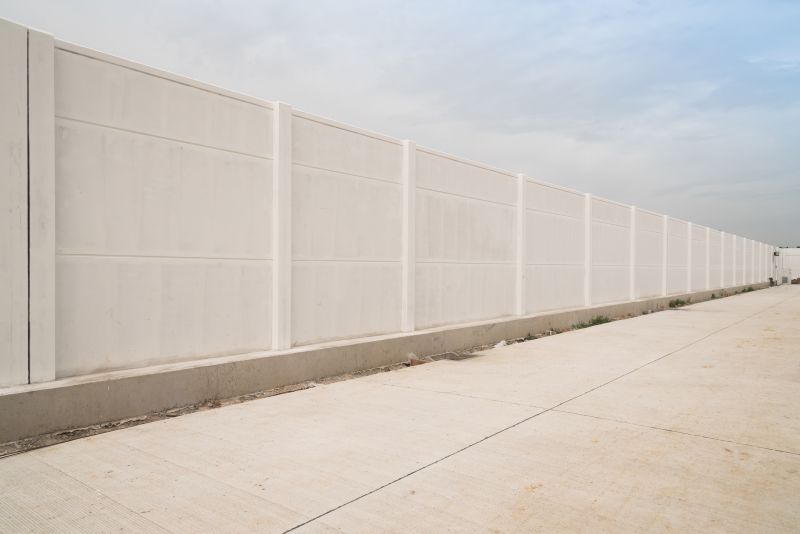
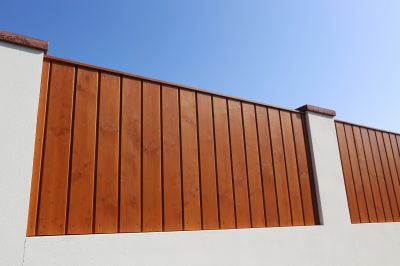
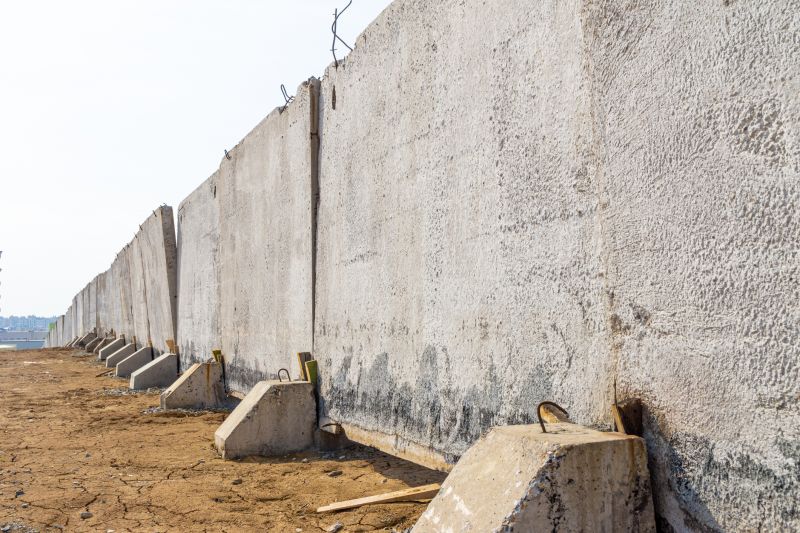
When homeowners search for information about concrete fencing versus traditional fence materials, they often want to understand the key differences that could impact their property. This comparison typically comes up during plans to improve privacy, security, or property boundaries. People may be considering new fencing for a variety of reasons, such as replacing an aging fence, adding a barrier for safety, or enhancing curb appeal. The search reflects a desire to weigh the advantages and disadvantages of different materials to find the most suitable option for their specific needs and property type.
The decision between concrete fencing and traditional fence materials relates closely to common property challenges and planning considerations. For instance, some homeowners face issues with fences that deteriorate quickly or require frequent repairs, prompting them to explore more durable options like concrete. Others might be planning a new installation to increase privacy or reduce noise, which can influence their choice of material. Property owners often seek solutions that offer long-term value, low maintenance, and resistance to weather or pests. These factors are especially relevant for properties in areas with harsh climates or high exposure to the elements.
Concrete fencing and traditional fence materials tend to be associated with different property types and uses. Concrete fences are frequently seen around commercial properties, industrial sites, or large estates where durability and security are priorities. On the other hand, traditional materials like wood, vinyl, or chain-link are common in residential neighborhoods, particularly for smaller yards or decorative purposes. However, the choice depends on the homeowner’s goals, property size, and aesthetic preferences. Local service providers can help evaluate the specific needs of a property, whether it’s a suburban home, a rural farm, or a commercial lot, and recommend the most appropriate fencing solution.
Understanding how concrete fencing compares to traditional fence materials helps homeowners make informed decisions about their property. Concrete fences are known for their strength, longevity, and minimal upkeep, making them suitable for high-security or long-term installations. Traditional materials, while often more affordable upfront, may require more frequent repairs or replacements over time. Local contractors specializing in concrete fencing can provide insights into the installation process, durability, and customization options, helping property owners choose a fencing type that aligns with their project goals. Connecting with experienced local pros ensures the selected fencing material will meet the practical demands of the property while fitting within the overall property plan.
Retaining Wall Construction - Building retaining walls involves similar planning, excavation, and concrete work skills as installing concrete fencing, making it a related project handled by local contractors.
Landscape Boundary Installations - Defining property lines with concrete or traditional materials requires site assessment, planning, and specialized tools, which local service providers are experienced in.
Patio and Outdoor Living Space Projects - Creating durable outdoor features often involves concrete work comparable to fencing installation, with local pros able to assist with both types of projects.
Driveway and Pathway Paving - Paving driveways and walkways involves concrete mixing and placement skills similar to those used in concrete fencing, handled by local contractors.
Foundation and Footing Services - Preparing foundations for various structures requires expertise in concrete work, making it a related skill set for those considering concrete fencing options.
Security Barrier Installations - Installing barriers or barricades involves planning, site prep, and concrete or traditional material handling, with local pros capable of managing these projects efficiently.
When comparing service providers for concrete fencing versus traditional fence materials, it is essential to consider their experience with similar projects. Homeowners should inquire about the types of fencing projects the contractors have completed in the past, especially those involving concrete fencing, to ensure they have relevant expertise. An experienced contractor will understand the unique requirements of concrete fencing, such as foundation work and durability considerations, which can impact the overall quality and longevity of the installation. Reputable local contractors will be transparent about their work history and able to provide references that demonstrate their capability to handle projects similar to what is desired.
Clear written expectations are a vital part of choosing the right service provider. Homeowners should seek detailed proposals or written estimates that outline the scope of work, materials to be used, and the projected timeline. This helps prevent misunderstandings and ensures that both parties are aligned on project goals. When comparing concrete fencing services to traditional options, it is especially important to understand the specifics of the installation process, maintenance requirements, and any potential limitations. Well-documented expectations can serve as a basis for evaluating the professionalism and thoroughness of each contractor.
Good communication is a key factor when selecting local contractors for fencing projects. Service providers who are responsive and willing to answer questions demonstrate a commitment to customer service and clarity. Homeowners should pay attention to how promptly and thoroughly contractors address inquiries about concrete fencing versus traditional materials, as this can reflect their ability to manage the project effectively. Reputable local pros will be transparent about their processes, willing to discuss different fencing options, and able to provide guidance tailored to the homeowner’s needs. Effective communication ensures that expectations are managed and the project progresses smoothly from start to finish.
Property owners often search for concrete fencing vs traditional fence materials when they are planning practical projects around their homes and businesses. Local pros provide Concrete Fencing services for everyday jobs and straightforward project options.
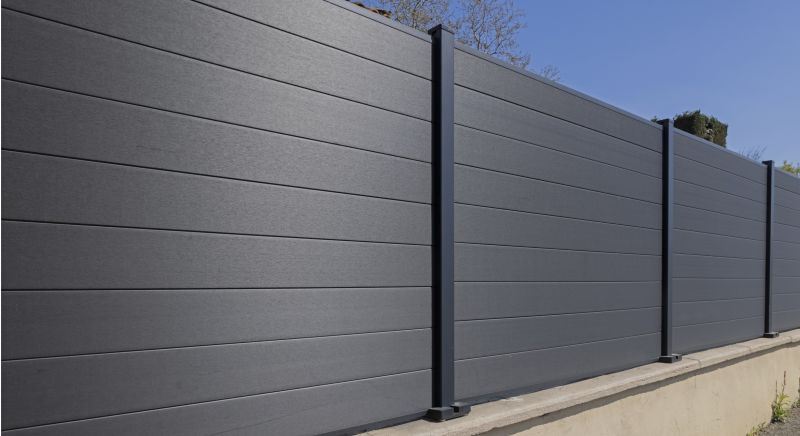
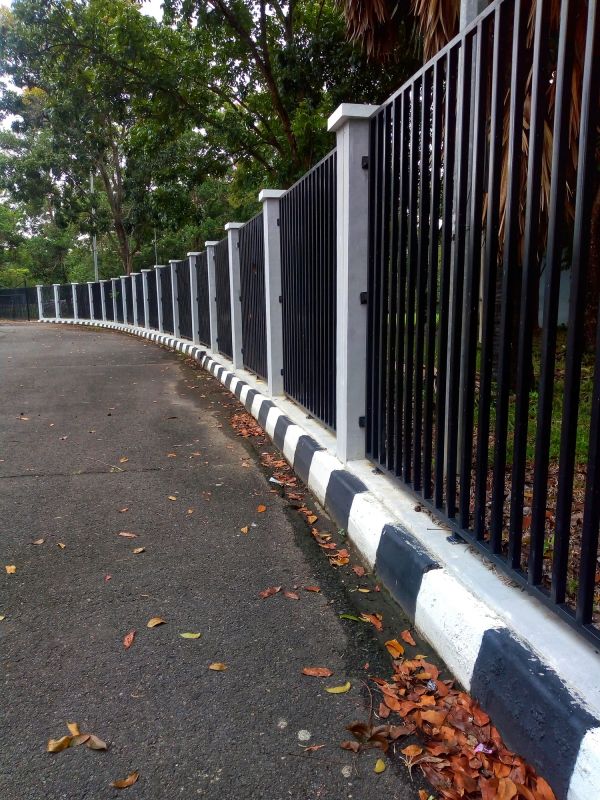
When homeowners consider fencing options for their property, understanding the differences between concrete fencing and traditional fence materials is a common concern. Many property owners in the area look into this topic when seeking a durable, low-maintenance solution that can withstand the local climate and daily wear and tear. Concrete fencing offers a solid, long-lasting barrier that can provide privacy and security, making it an appealing choice for those wanting a more permanent structure. On the other hand, traditional fence materials such as wood or vinyl are often chosen for their aesthetic appeal and ease of installation, especially for smaller projects or decorative purposes.
Property owners exploring fencing options often turn to local contractors to get expert advice tailored to their specific needs. When comparing concrete fencing vs traditional fence materials, they may consider factors like longevity, maintenance requirements, and overall appearance. Local service providers can help evaluate these aspects and recommend the best approach based on the property's layout and the owner's preferences. Whether seeking a sturdy, low-maintenance solution or a decorative fence that enhances curb appeal, connecting with experienced local contractors can help ensure the chosen fencing material aligns with the property's needs and the owner's vision.
How does concrete fencing compare to traditional fence materials in terms of durability? Concrete fencing generally offers higher durability and resistance to weather, pests, and rot compared to traditional wood or vinyl fences, making it a long-lasting option handled by local contractors.
Are concrete fences more maintenance-intensive than traditional fences? No, concrete fencing typically requires less maintenance than traditional wood or chain-link fences, as it does not need painting or staining and is resistant to pests and decay, with local service providers able to install and maintain it.
Can concrete fencing match the aesthetic of traditional fencing materials? Yes, concrete fences can be customized with various textures, colors, and designs to resemble traditional materials like stone or brick, and local pros can help achieve the desired look.
Is concrete fencing suitable for privacy compared to traditional fencing options? Concrete fencing provides excellent privacy due to its solid construction, often surpassing traditional materials like chain-link or picket fences in blocking visibility, with local contractors able to install privacy-focused designs.
What are the main advantages of choosing concrete fencing over traditional fence materials? Concrete fencing offers increased strength, lower maintenance, and customizable aesthetics, with local service providers able to help select and install the best concrete fencing options for specific needs.
Durability considerations - Property owners can explore how concrete fencing offers long-lasting strength compared to traditional wood or vinyl options, making it suitable for high-traffic or harsh weather areas with help from local contractors.
Design flexibility - Homeowners can discuss with local pros about customizing concrete fencing to match their aesthetic preferences, such as textured surfaces or decorative finishes, versus standard traditional fencing styles.
Maintenance needs - Property owners can evaluate the low-maintenance benefits of concrete fencing against the upkeep required for traditional materials, helping them choose a solution that fits their routine.
Installation options - Homeowners can consider different installation techniques provided by local service providers for concrete fencing versus traditional fencing, ensuring the best approach for their property layout.
If you are thinking about concrete fencing vs traditional fence materials for a property, this guide is meant to help you understand this topic, the typical project types, and how different options might fit your plans.
When you are ready, you can use the quote form on this page to share a few details about your project. From there, local pros can review the basics and follow up with options that match what you have in mind.